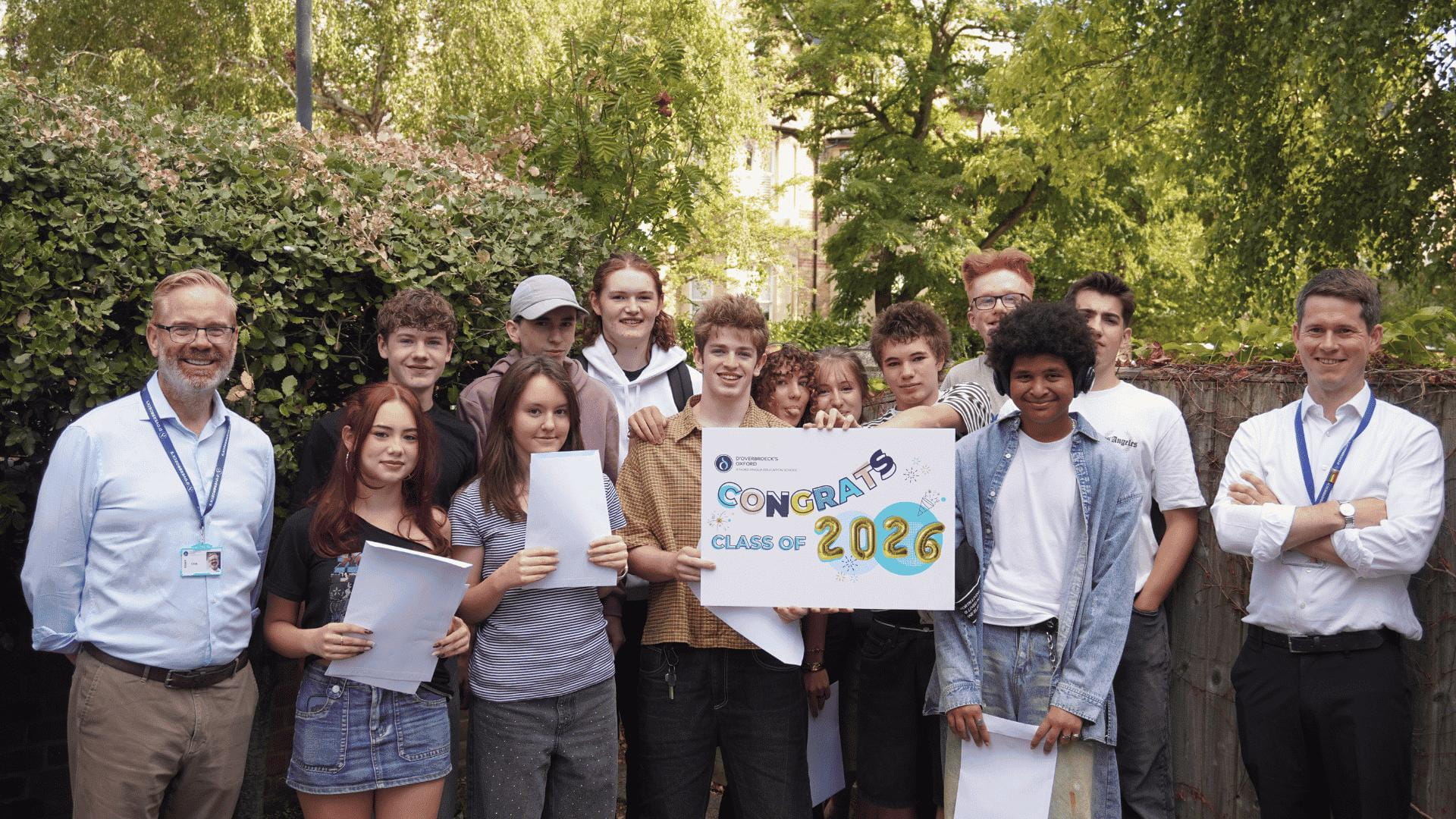

Starting sixth form is a bigger transition for students than many parents realise. Suddenly, your child finds themselves encountering a new academic level, a new social group and a new approach to how learning itself is supposed to work. At d'Overbroeck's, that shift happens within a community that is designed to be small and personally attentive. Here is what the first term typically looks like for new students.

25 August, 2026
What to Expect in Your First Term at dOverbroeck
The First Few Days
Arrival and induction at d'Overbroeck's are structured around one simple idea: no student should feel lost or invisible in those early days. The scale of the school makes this possible in a way that larger institutions cannot always manage. Teachers learn names quickly. Tutors are in contact with students from day one. The community is small enough that new faces are noticed and welcomed.
That does not mean the first days are without nerves. They usually are. But the environment is one where asking for help, saying you are finding something difficult and taking time to settle are all treated as normal parts of the process rather than signs of weakness.
Finding Your Footing Academically
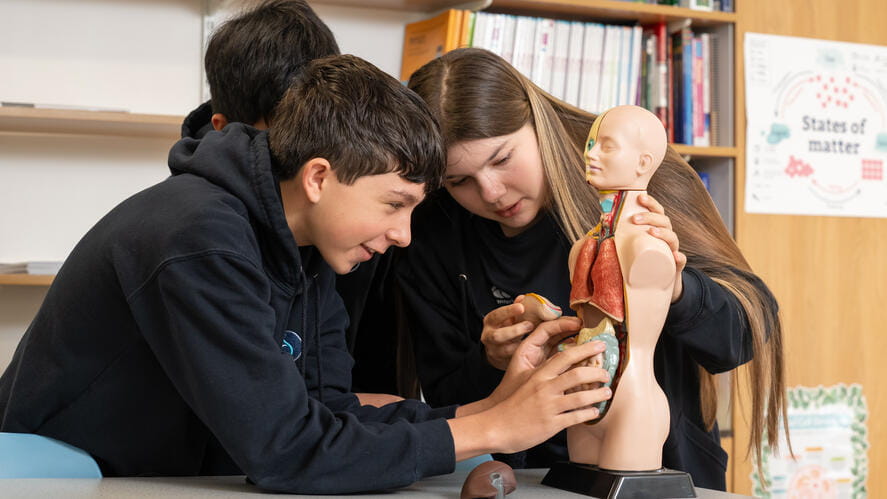
A Level study demands a level of independent engagement that can feel unfamiliar at first, particularly for students coming from systems where the teaching is more directive. At d'Overbroeck's, the expectation is that students think for themselves, develop their own relationship with their subjects and bring active curiosity to the classroom.
Small class sizes make this feel more manageable than it sounds. Students are not anonymous. Teachers notice quickly when someone is struggling, and they act on it early rather than waiting for an assessment to confirm what they can already see.
A few simple ways students can set themselves up for a successful first term:
- Engaging with reading and material beyond the set texts from the start
- Asking questions in class, even the ones that feel obvious
- Using tutorial time with subject teachers to flag anything that is not landing
- Being honest with your personal tutor about how the workload feels
The Social Side
Sixth form friendships are some of the most formative of a young person's life, and they often take longer to establish than students expect. The first term tends to involve a lot of surface-level social contact before the deeper connections form. This is normal and worth keeping in mind.
At d'Overbroeck's, the community is small enough that students tend to know each other across year groups relatively quickly. Shared activities, house events and the informal rhythms of daily life at a smaller school create opportunities for connection that do not always exist in larger institutions.
Oxford Beyond the School Gates
Living and studying in Oxford means that the city itself is part of the experience from day one. Students who make the effort to engage with it – attending a public lecture, exploring a new part of the city, finding a favourite cafe or library – tend to settle into Oxford life more quickly than those who stay close to school.
Encourage your child to treat the city as an extension of their education, not just a backdrop to it.
By the End of Term
Most students arrive at the Christmas holidays surprised by how much has changed in twelve weeks. They are more independent, more academically engaged and more comfortable in their own skin than they were in September. The first term at d'Overbroeck's tends to set a tone that carries through the two years: that this is a place where students are known as individuals, supported when they need it and encouraged to become the best version of themselves.
Related news
News image ![DVB_Oxford_Sept 2025_005]() Blog
Blog
 Blog
Blog Questions to Ask at a School Open Day: A Parent's Guide
Open days are your best chance to find out whether a school is truly right for your child. Here are the questions worth asking and what to look for.
News image ![DVB_Oxford_Sept 2025_092]() Blog
Blog
 Blog
Blog Starting the School Year Well: Wellbeing and Pastoral Care at the Start of Sixth Form
Starting sixth form can be emotionally complex. Here is practical advice on wellbeing, pastoral support and how to build a strong foundation at the start of the school year.