Understand That Adjustment Takes Time
Most students expect to feel settled within a week or two. The reality is usually closer to half-term. The adjustment to sixth form life, especially in a new school, involves many layers: a new academic level, new social dynamics, new routines and, for boarding students, a new physical home.
Research from the Education Endowment Foundation (2023) consistently identifies the quality of pastoral relationships in the first term as one of the strongest predictors of student wellbeing and academic performance across the full year. In other words, how supported a student feels in September tends to determine how they perform in June.
Giving yourself permission to take time to settle is not a sign of weakness. It is a wise and necessary approach to setting the foundations for success.
Use the Support That Is There
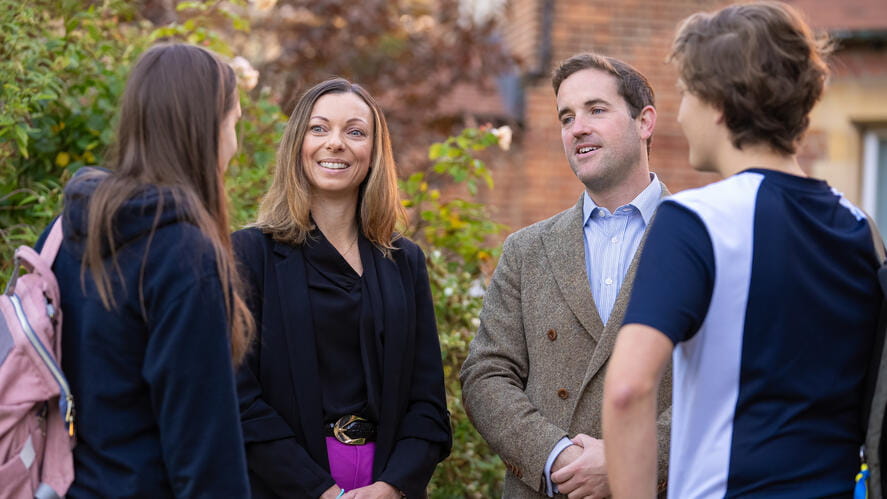
Good schools build pastoral support into the structure of school life rather than offering it only in moments of crisis. At d'Overbroeck's, students have a personal tutor who knows them as an individual, academic staff who are accessible outside lessons and a pastoral team who take wellbeing seriously as an educational value.
The most important thing a student can do in the first weeks is make use of that support early, before small difficulties become larger ones. A five-minute conversation with a tutor about feeling overwhelmed is far more useful than six weeks of silent struggle followed by a crisis.
For parents, the parallel advice is to stay in regular but not anxious contact with your child. Check in warmly. Ask open questions. And if something seems wrong, contact the school directly rather than trying to manage it from a distance.
Build Routines That Support You
Wellbeing at the start of the school year is often less about dramatic interventions and more about the quality of ordinary habits. A few things that make a consistent difference:
• Sleep: consistent sleep times matter more than total hours. Going to bed and waking at roughly the same time each day stabilises mood and concentration significantly
• Food: eating properly, including breakfast, is one of the simplest things students can do to support their cognitive performance and emotional resilience
• Physical activity: even brief daily movement, a walk, a run, a game, has a measurable positive effect on anxiety and concentration
• Social connection: making the effort to be with other people, even when you do not feel like it, tends to lift mood more reliably than solitary recovery time
Managing Academic Pressure
The academic step up to sixth form can feel steep. Students who were confident at GCSE sometimes find the first A Level assessments humbling. This is normal, and it is part of the process. The students who handle it best tend to be the ones who ask for help early, manage their workload in small daily chunks rather than saving everything for the weekend and treat early assessments as information rather than verdicts.
If your child is finding the academic load harder than expected, encourage them to speak to their subject teacher or tutor before the pressure builds. The earlier the conversation, the easier the adjustment.
Homesickness for Boarding Students
Boarding students face an additional layer at the start of the year: the experience of living away from family, sometimes for the first time. Homesickness is almost universal in the first few weeks and almost always eases significantly by half-term as routines settle and friendships deepen.
The things that help most are the same things that help with wellbeing generally: staying engaged, asking for help, getting enough sleep and giving the adjustment time to happen. Boarding house staff at d'Overbroeck's are experienced in supporting students through this transition and pay close attention to how individuals are settling.
A Good Start Sets the Tone
The first few weeks of sixth form tend to establish patterns that persist for the full two years. Students who engage early, who use their support systems, who build good habits and who give themselves permission to take the adjustment seriously, tend to be the ones who thrive.
At d'Overbroeck's, pastoral care is not an add-on to the academic programme. It is part of what makes the academic programme work. A student who feels known, supported and genuinely cared for learns more effectively than one who is managing everything alone.
That support makes all the difference to success in sixth form and beyond.