

We use cookies to improve your online experiences. To learn more and choose your cookies options, please refer to our cookie policy.
A-LEVEL PHYSICAL EDUCATION
Learn about A-level Physical Education at d'Overbroeck's. The diverse course covers many subject areas and is underpinned by student's application to sport.
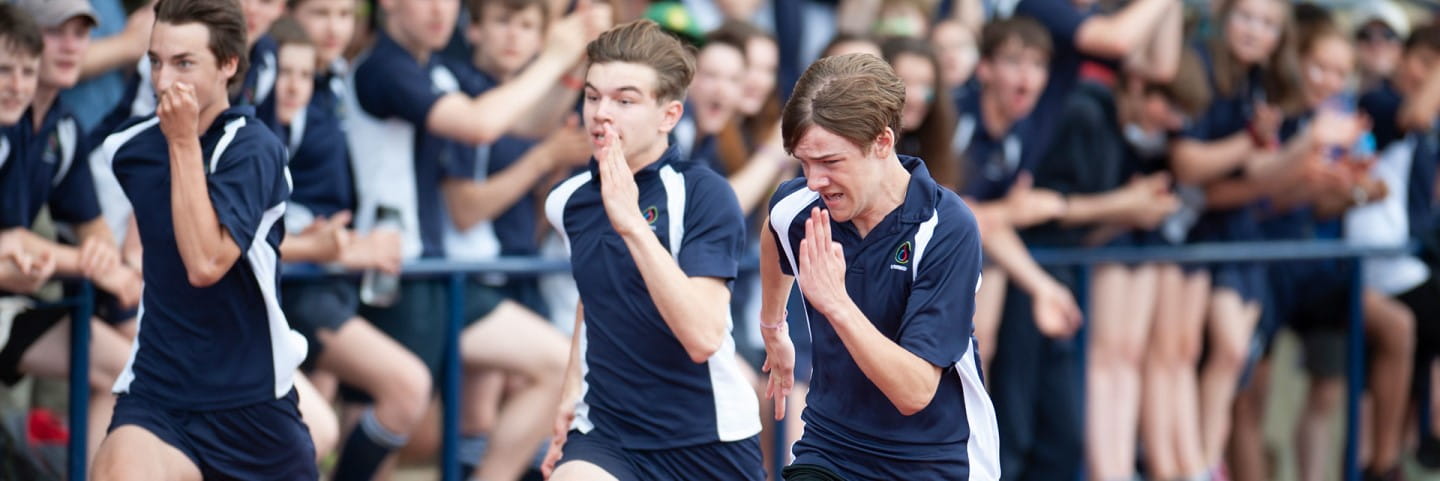
WHAT IS A-LEVEL PHYSICAL EDUCATION?
After Team GB’s remarkable success in recent Olympic Games, you may be asking yourself, “What does it take to produce an Olympic gold medallist?”
The answer is a complex one, because there are a multitude of factors involved. PE A level provides students with the opportunity to explore many of these diverse, contributing factors.
Including:
- Training, nutritional and technological advancements in sport and their impact on performance.
- How the body Physiologically adapts to training and performance.
- How the brain works during physical activity and how elite performers gain the psychological edge over their competitors.
- The impact sport has had on society, and the social factors that are necessary for participation rates to grow and elite athletes to excel.
- How to develop and analyse you own sporting performance, whether that be as a performer or coach.

WHAT YOU'LL DO
Topic areas 1, 2 & 3 will be assessed through a written examination (70% of total mark).
Topic area 4 will be assessed through a practical performance and written analysis (30% of total mark).
In essence, the PE A level is divided into four distinct areas:
- Sports Anatomy, Physiology and Training
- Sports Psychology
- Social, cultural and technological factors influencing sport
- Your own sporting performance (only one sport is assessed)
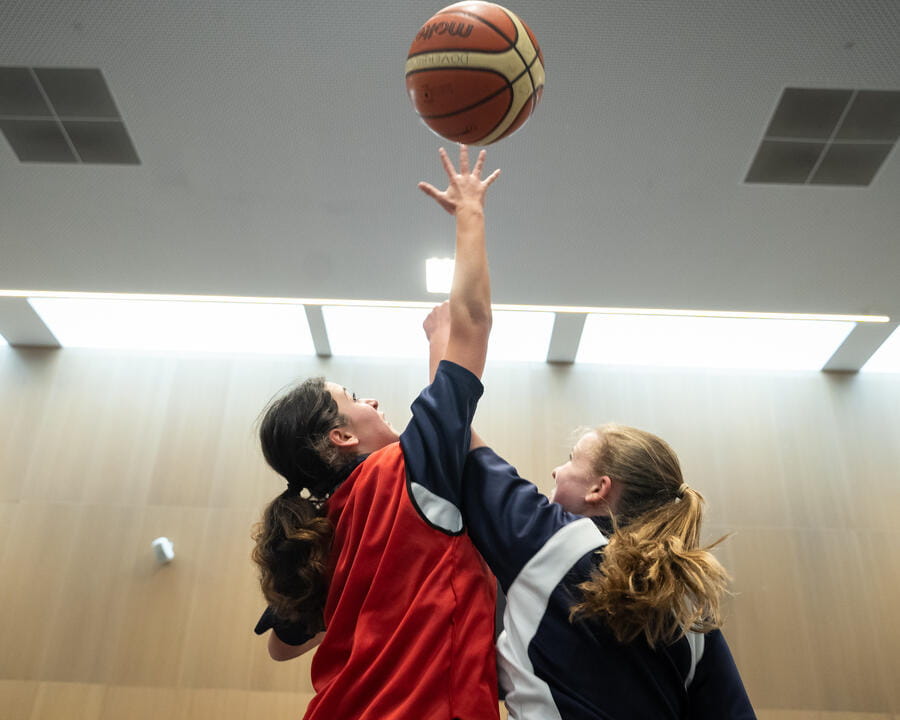

WHOM DOES THIS SUBJECT SUIT?
PE suits students who have a passion for sport; students who will enjoy a fast paced and diverse course that covers many subject areas – yet is always underpinned by the student’s application to sport.
Students that have taken PE have combined it with a wide range of other subjects from Art through to Physics. Some are keen to study the subject further at university, whilst many take the subject because they realise it is important to study something you enjoy.
To excel in PE it’s very advantageous if you’re a high level performer or coach in one of the sports listed below, however, regularly training and competing at a strong club level is sufficient to take the course.
- Amateur Boxing, Basketball, Cycling, Gaelic football, Hockey, Netball, Rugby Union, Squash, Trampolining
- Association Football, Camogie, Dance, Golf, Hurling, Rock Climbing, Sculling, Swimming, Volleyball
- Athletics, Canoeing, Diving, Gymnastics, Kayaking, Rowing, Skiing,Table tennis
- Badminton, Cricket, Equestrian, Handball, Lacrosse, Rugby League, Snowboarding, Tennis
- Blind cricket, Polybat, Boccia, Table cricket, Goal ball, Wheelchair basketball, Powerchair football, Wheelchair rugby

WHAT MIGHT THE SUBJECT LEAD TO?
The obvious suggestion is to say that it will lead to one of many of the sports-related degree courses available. However, the real benefit of the PE A level is that it enables you to grasp a wide range of skills – from scientific research through to debate. It also develops an organised well-rounded student who can cope with the demands of university life. This wide variety of skill sets will stand you in good stead for most university courses.
The same applies to the workplace. Sport is now such a huge industry that there are endless employment opportunities. A few examples: coaching, teaching, biomechanics, sports rehabilitation, officiating, sports technology development, sports administration, sports management and media.

YOUR TEACHERS
Who teaches Physical Education?

Jonathan Richards
Head of Physical Education
Jonathan graduated from the University of Hull in BSc Joint Honours Sport Science, Coaching and Physical Ed with Business Management He has been an examiner and moderator for AQA A level PE and outside of school competes nationally in swimming.
Jonathan Richards
Jonathan graduated from the University of Hull in BSc Joint Honours Sport Science, Coaching and Physical Ed with Business Management He has been an examiner and moderator for AQA A level PE and outside of school competes nationally in swimming. Jonathan say’s about the A level. “I love teaching PE because whilst the concepts and theories we discuss are diverse and challenging, the students enjoy it because we use sport to make it relatable. This gives it more meaning and helps students to apply these concepts to their own (and others) real-life performances. There’s nothing better when you see that light bulb moment, and you know the student’s grasped it.

Martin Procter
Head of Physical Education at Senior School
Martin gained a B.Ed HONS at Exeter University. He subsequently taught at schools in the West London area before being employed at d’Overbroeck’s as Head of the Physical Education department.

Martin Procter
Martin gained a B.Ed HONS at Exeter University. He subsequently taught at schools in the West London area before being employed at d’Overbroeck’s as Head of the Physical Education department. Martin firmly believes that participating in physical activity is a lifelong requirement to promoting good health and vitality in later years. Understanding the importance of physical activity alongside good nutrition and mindfulness, will help students on the path to wellbeing. To achieve this, both education and enjoyment is key. Being able to teach these values through the wide variety of sports we have on offer is a delight and a privilege.
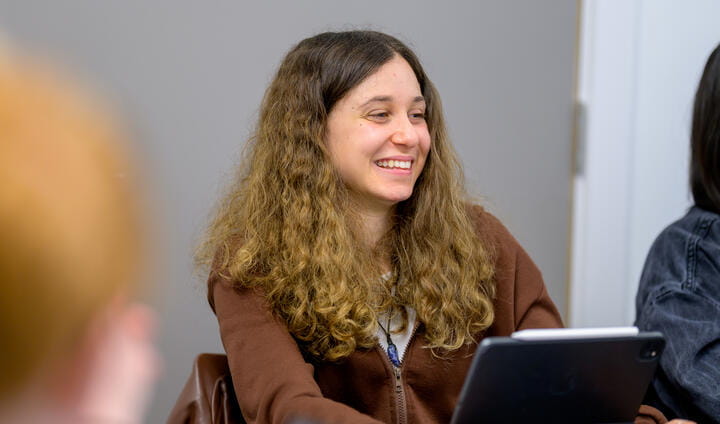
UNRIVALLED CHOICE
We offer more than 36 A-level subjects, enabling students to choose a combination that best fits their strengths, interests, and future aspirations.
A-level Subjects