

We use cookies to improve your online experiences. To learn more and choose your cookies options, please refer to our cookie policy.
A-LEVEL CHEMISTRY
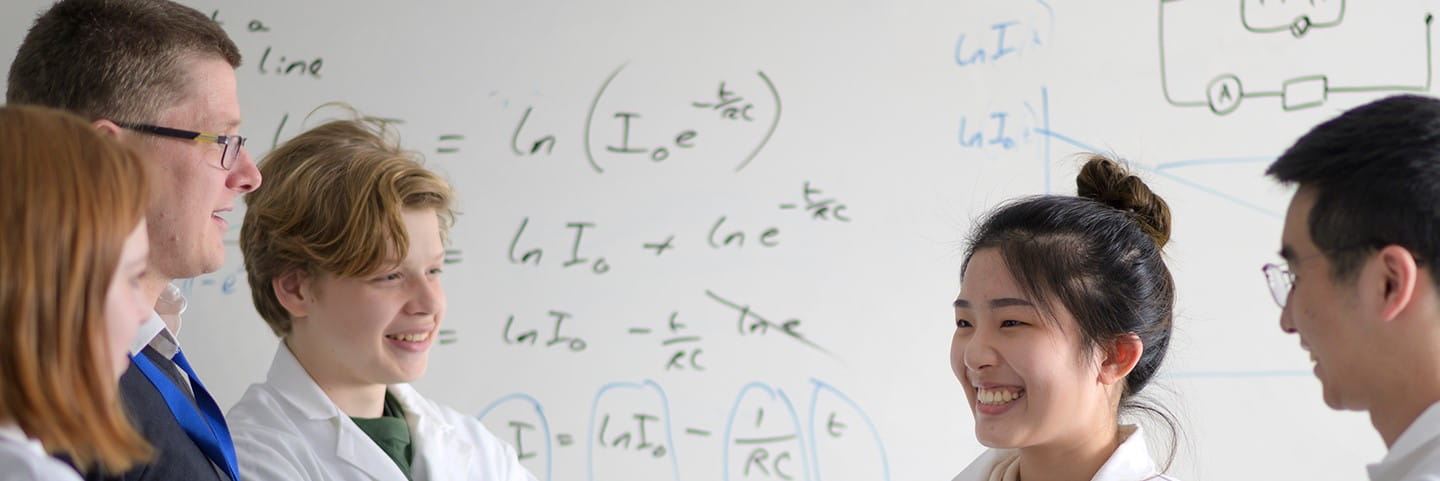
The main aim of A level Chemistry at d’Overbroeck’s is to help students develop a thorough understanding of Chemistry’s key principles and underlying patterns so that they can enjoy the logic that underpins the subject and make sense of the myriad experimental observations and real-life applications of chemistry and its related sciences.
WHAT IS A-LEVEL CHEMISTRY?
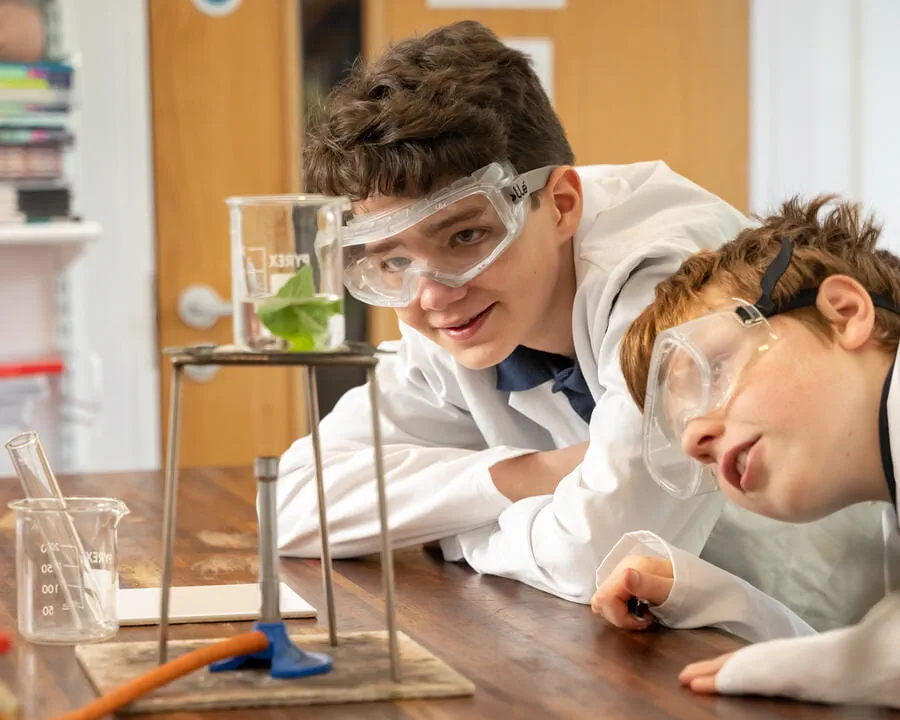
From experience, we know that students will be far more engaged with the more demanding aspects of the A level course when they can relate them to exciting practicals and projects that demonstrate the power of chemistry. Previous experiments include: launching a balloon from Oxford to the Ozone Layer, launching rockets from Wolvercote Common, synthesising Aspirin and Paracetamol, producing Indigo dye, synthesizing Aerogel (a solid that is 99.98% air). In addition, each year students decide to plan, set up and run their own projects, with underwater fireworks and contact explosives being some recent examples.

WHAT YOU'LL DO
FIRST YEAR
These modules help to develop a strong understanding of the fundamental principles that underpin the subject. The majority of the content will be familiar to students from GCSE/IGCSE, however, they will explore the concepts and ideas in much more detail.
The first year consists of three modules:
- Foundations in Chemistry
- The Periodic Table and Energy
- Core Organic Chemistry
WHAT YOU'LL DO
SECOND YEAR
These final two modules both extend and deepen students’ chemical knowledge and provide a wealth of examples of how society relies on chemists to help provide solutions and new ways of coping with the many issues that it is currently facing.
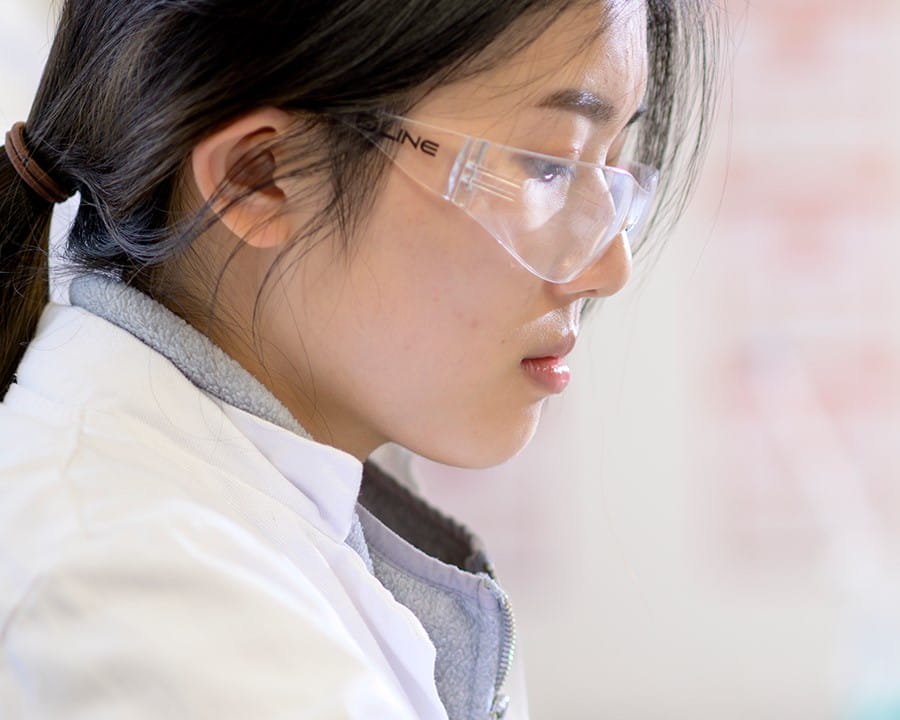
Students will carry out practical work almost every week, with the intention that they improve their competency in some key practical skills over the course of the two years. From acid-base titrations to complex organic syntheses, students will have plenty of time to practise planning and setting up experiments, analysing data, and will also be able to attempt more investigative practicals in the second year of the course. Core practical work will be assessed, and although no grade will be assigned to these practicals students will be tested on their practical skills in the three written papers sat at the end of the course.
The second year consists of two modules:
- Physical Chemistry and Transition Elements
- Organic Chemistry and Analysis


WHOM DOES THIS SUBJECT SUIT?
Chemistry is a concise subject that requires students to think. Studying chemistry would complement A levels which are essay-based or that have a particularly heavy reading load, and is clearly very useful for those wishing to study any form of science (chemistry, biology, physics, natural sciences, biochemistry, materials science) or engineering at university, as well as medical or veterinary science.
If you study A level Chemistry then you should be able to ask ‘Why?’ and get a good answer. Students will find the first year of chemistry explains chemical ideas mostly using words and some maths, while the second year of chemistry explains chemical ideas using maths and some words – don’t be daunted by the maths! As long as students have a solid understanding of GCSE maths then they will be fine.
WHAT MIGHT THE SUBJECT LEAD TO?
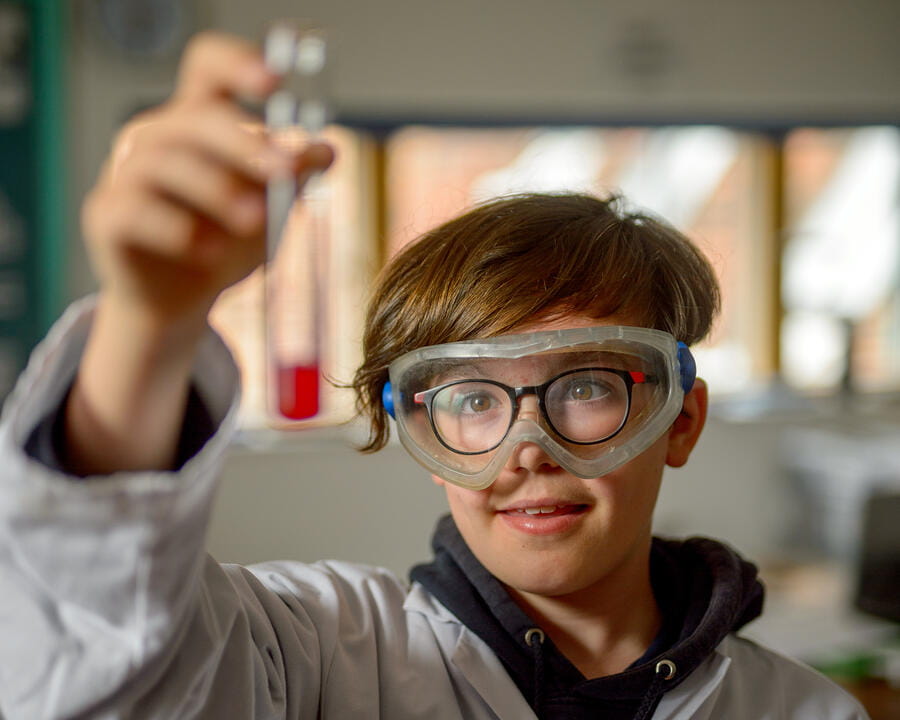
Chemistry is used by students to go into a range of STEM (science, technology, engineering and maths) degrees and careers. Chemistry is important for students wishing to study medicine, forensic science, engineering and pharmacy.

YOUR TEACHERS
Who teaches Chemistry?
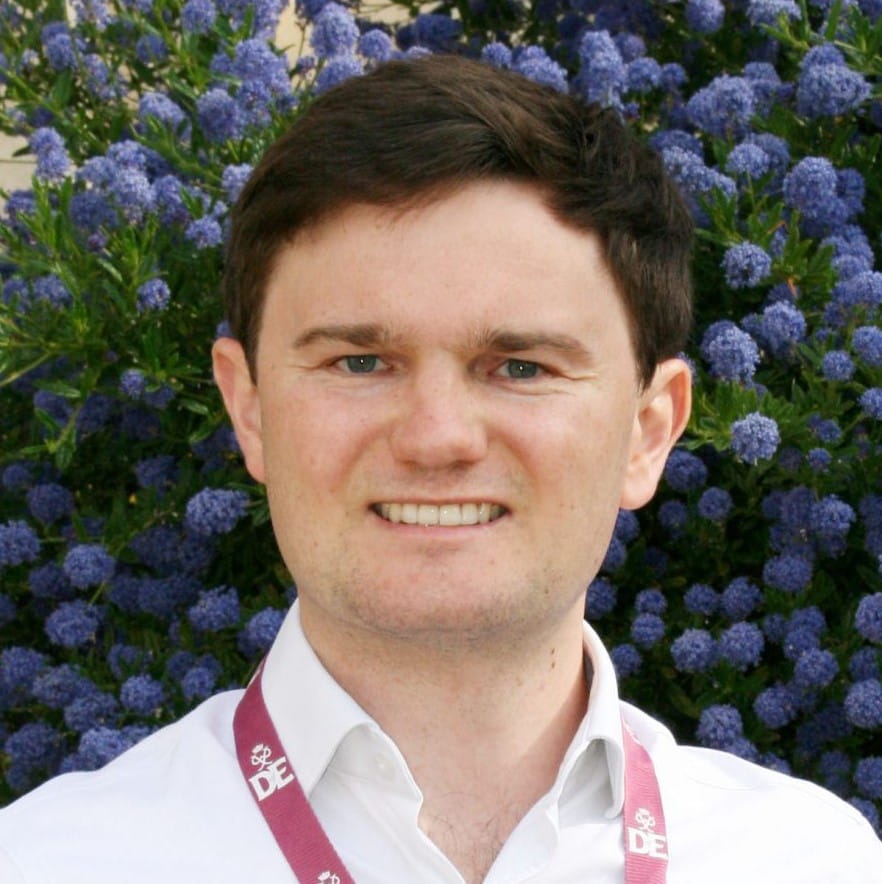
James Burroughs
Teacher of Chemistry and Progression Co-ordinator
James grew up in North London and studied for his MChem in Chemistry at the University of York. He decided he liked York so much that he completed his PGCE and started his teaching career there too.

James Burroughs
James grew up in North London and studied for his MChem in Chemistry at the University of York. He decided he liked York so much that he completed his PGCE and started his teaching career there too. He moved to Oxford in 2019 (he finally had enough of the cold Yorkshire weather) and has worked at d’Overbroeck’s ever since. He believes that schools should strive to teach not only academic skills, but practical skills too. When not in the Chemistry lab or driving students to and from expeditions James enjoys playing guitar and hockey.
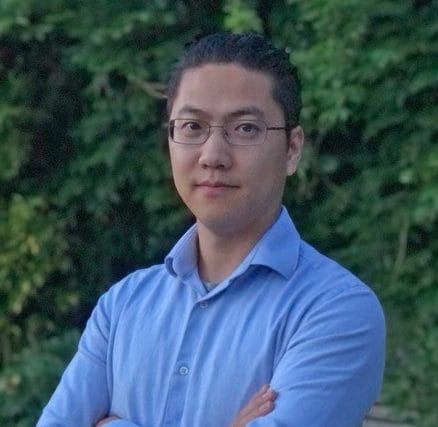
Andy Zhang
Teacher of Chemistry
Prior to teaching Chemistry at the Sixth Form, Andy was a student at d’Overbroeck’s International School where he studied Chemistry, Maths, Biology and Politics. He also liked rock climbing and badminton alongside his studies. He enjoyed his time with us in a welcoming environment where he thrived, and he then went on to study Chemistry at Imperial College.
Andy Zhang
Prior to teaching Chemistry at the Sixth Form, Andy was a student at d’Overbroeck’s International School where he studied Chemistry, Maths, Biology and Politics. He also liked rock climbing and badminton alongside his studies. He enjoyed his time with us in a welcoming environment where he thrived, and he then went on to study Chemistry at Imperial College. After completing his studies at Imperial, he chose to return to Oxford to do his D.Phil., where he was able to get involved in outreach programmes and inspire youngsters to take scientific pathways. This experience led him to private tuition, where he could help students overcome their challenges. After some time doing private tuition 1-1, Andy decided he wanted to help more students, and the first place that came to mind was d’Overbroeck’s: the place where he started. He is passionate about helping many students achieve their full potential and hopes to inspire students through teaching his favourite subject.
Henry Winney
Teacher of Chemistry
Chi Pang
Chi obtained a PhD from the University of Manchester in the subject of Surface Chemistry. He continued as a research scientist for the next 20 years, working at universities in the UK and Japan. In addition to his research, which is published in over 60 journal articles, Chi had significant teaching responsibilities, especially at University College London where he worked for 10 years. He taught core topics in Physical Chemistry to undergraduates and offered courses connected to his specialism to both undergraduate and postgraduate students. In 2017, Chi took up a post at the University of Liverpool. Here, Chi had the opportunity to mentor talented Year 12 students via the University’s flagship outreach scheme. He found it a privilege to be able to inspire and motivate young people and to help them to fulfil their potential. This rewarding experience encouraged Chi to make the switch to teaching at the secondary level, leading him here to d’Overbroeck’s. In his spare time he enjoys cooking, Asian Cinema, and hockey.
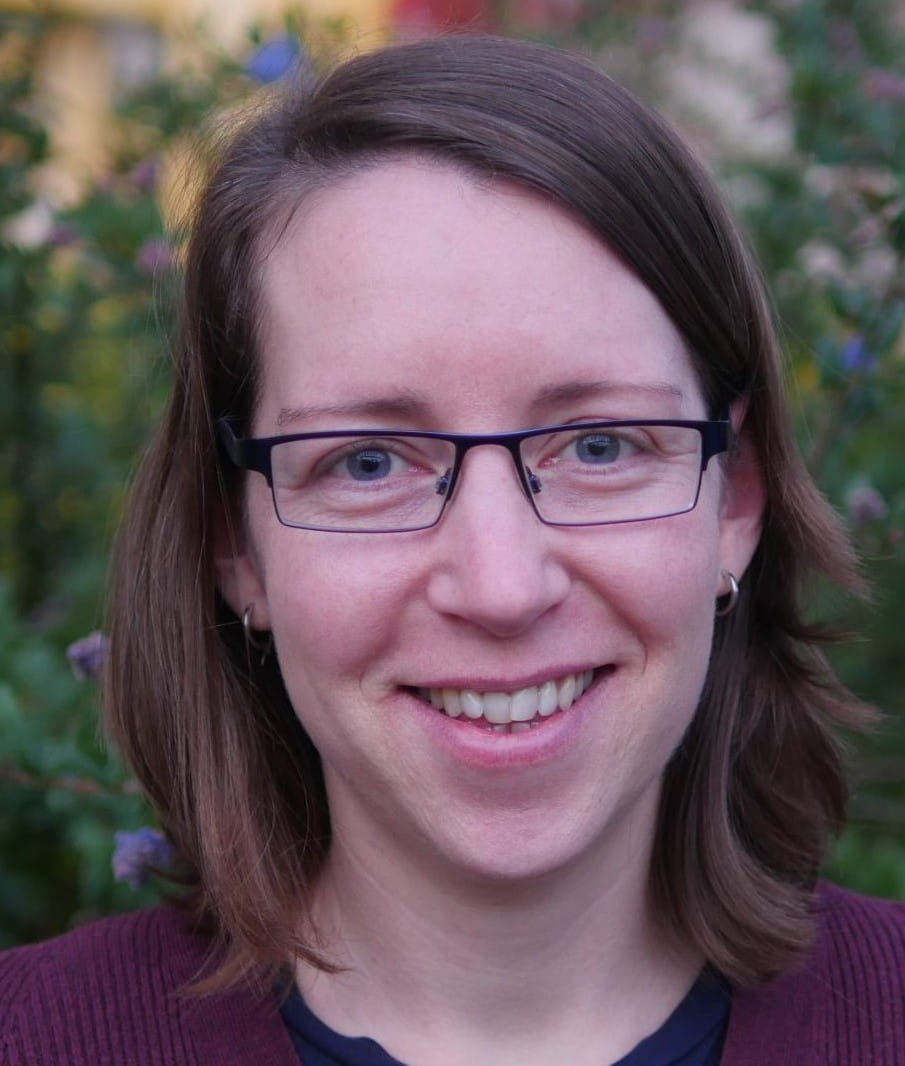
Michelle Cartey
Teacher of Chemistry
UNRIVALLED CHOICE
We offer more than 36 A-level subjects, enabling students to choose a combination that best fits their strengths, interests, and future aspirations.
A-level Subjects